

Disclaimer: This is a work in progress, so if you have suggestions/recommendations, we’re open to hearing them!
District Policy Councils
Your voice shapes how I vote
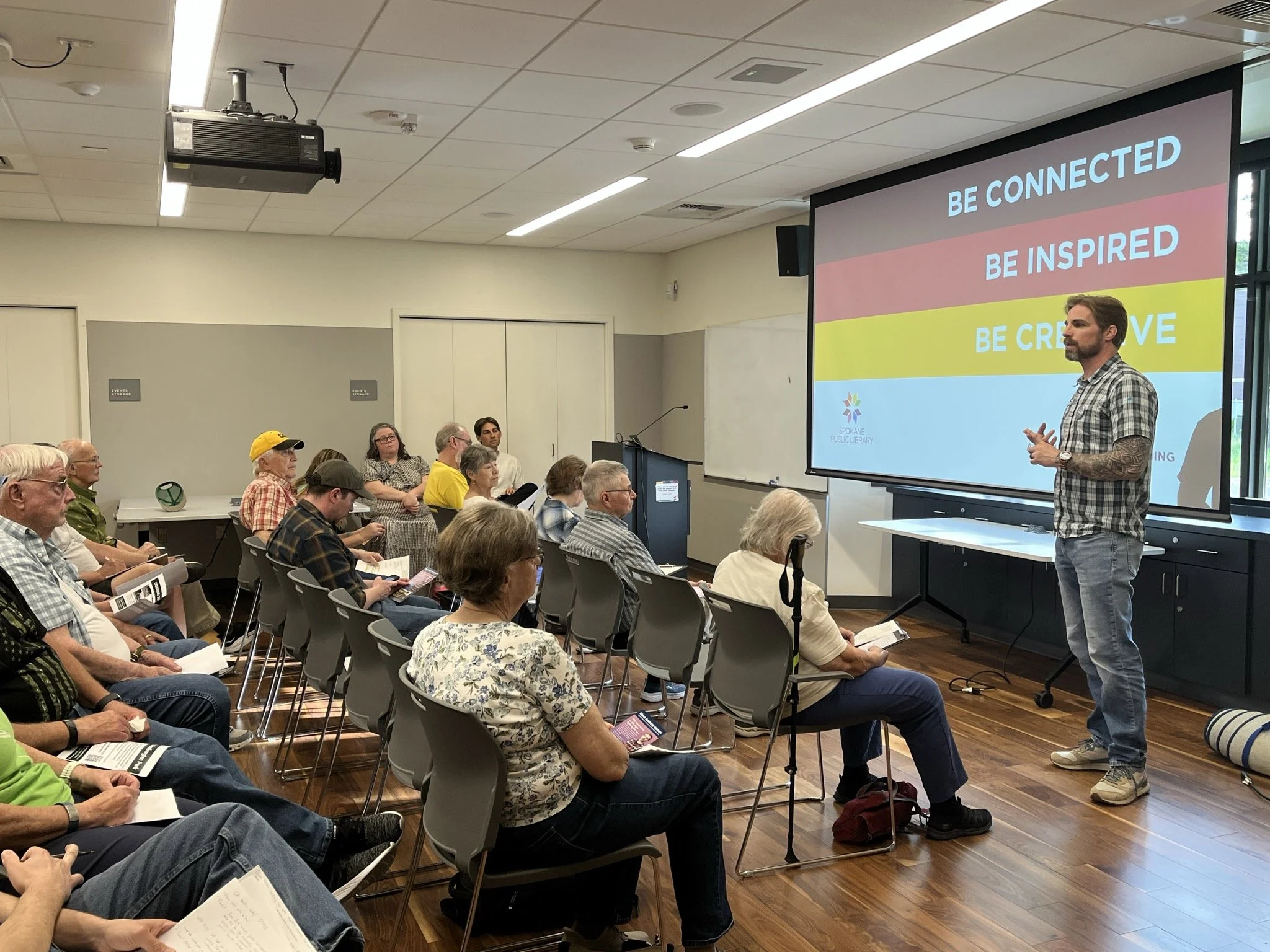
Here’s the problem: your state representative listens to whoever donates the most money. Landlords tell the housing rep what to do. Insurance companies tell the healthcare rep what to do. Party leadership tells everyone else what to do. Voters get a say every two years if they remember to vote. Meanwhile, the people actually living the problem, working in the field, or watching their community struggle get shut out of the real decisions.
I’m doing it differently: I'm launching District Policy Councils for Housing, Homelessness, and Healthcare (with more to follow). These are groups of regular people from LD-6, meeting basis is TBD, helping me shape my votes before they happen. Buyers, renters and landlords solving housing together. Healthcare workers and patients thinking through drug costs and rural access. Not donors. Not party bosses. People who actually live here and care about fixing things. You don't need a fancy resume to join. You need real experience, real problems you've seen, and a willingness to think hard about solutions. If you want a genuine say in how your state rep votes, not just a vote every two years, this is it.
How it works: Say our Housing Council meets in September. A renter talks about how permits taking 18 months keeps builders from building affordable units. A small developer says the same thing is killing his costs. A city planner explains why permits take so long. We don't just complain; we dig into the actual barriers. By October, the council sends me a recommendation: streamline the permit process for projects under 30 units. I sponsor a bill. You see it happen because your voice moved it, not because a real estate lobbyist donated $5,000. If I vote differently, I explain why in writing. You hold me accountable. That's the difference.
-
ANYONE AND EVERYONE CAN JOIN! That includes, but is by no means limited to:
Teachers
Doctors
Metal workers
Students
Renters/Homeowners/Landlords
Small Business Owners
Big Business Owners
Job Seekers
If you’ve ever been a patient
If you’ve ever gotten a medical bill
If you’ve worked a job
If you’ve lost a job
details:
Step 1: You Join
Apply for Housing or Healthcare Council. No experience required, but your lived experience matters. Are you a renter? A landlord? A nurse? Someone who's struggled with medical debt? We want you.
Step 2: We Meet
(Frequency TBD), ~90 minutes. In-person or hybrid. We dig into real problems in LD-6. A renter explains how the lack of affordable housing affects them. A developer explains permitting delays. A city planner explains zoning barriers. We don't just complain. We solve.
Step 3: You Recommend
The council sends me a recommendation before I vote on bills in your area. Not suggestions. Real recommendations shaped by your expertise and experience.
Step 4: I Respond
I vote. If I follow your recommendation, great. If I don't, I explain why in writing. You hold me accountable. I'm not hiding behind "I consulted stakeholders." Everything is transparent.
Step 5: You See It Work
Your voice moves legislation. Within weeks, not someday. You see the difference between grassroots power and donor-driven politics.

WHAT YOU'RE REALLY SIGNING UP FOR
This isn't a complaint session. This isn't a rubber-stamp committee. You're committing to:
Show up monthly for 90 minutes (in-person, hybrid, or virtual)
Think hard about real solutions, not just problems
Respect people you disagree with on the council
Accept that I might vote differently than you recommend (but I'll explain)
Understand that some things aren't in a state rep's power (and I'll redirect you to who can help)
Be part of making LD-6 politics work differently
In exchange, you get:
A real say in how your state rep votes
A network of people solving problems like yours
Transparency. Everything is public. You know what's happening.
Accountability. I explain my votes. I don't hide behind political language.
FAQ
Q: Do I need experience in housing/healthcare to join?
A: No. Lived experience (you're a renter, you've struggled with medical bills, you work in healthcare) is better than credentials. We want people who know the real problem, not just theory. We welcome experts as well because sometimes that peak behind the curtain helps us understand the problem better.
Q: What if I disagree with other council members?
A: Good. That's the point. A landlord and a renter sitting in the same room and having to solve housing together makes better policy. Disagreement is welcome. Disrespect isn't!
Q: What if you vote differently than we recommend?
A: It happens. I explain why. You hold me accountable. Transparency beats pretending I'm just following your lead.
Q: Is this just for campaign? Will you actually do this after you're elected?
A: Yes. This is how I work, not how I campaign. If you don't see it happen, you know where to find me. Public record.
Q: Can I do virtual meetings?
A: That’s where we’d like to go, but we may go by baby steps. Life happens. We’ll try to accommodate ASAP.
Q: How long is the commitment?
A: At least through the first session (January-April). After that, it depends on what you want. If you find value in it, we’ll keep doing them.
Q: Will there be growing pains as we fine tune this?
A: More than likely. Failing is fine as long as that failure helps us move forward. We learn and grow together.
THE BIGGER PICTURE
When I worked at the Survival School at Fairchild Air Force Base, right here in LD-6, we had a problem. Our instructor pipeline was losing 85 percent of candidates. For every 100 who started, about 15 finished. The Air Force had been trying to fix it for years, and the people working the problem were senior instructors and middle managers like me. Helicopter pilots. Staff officers. Not the people actually teaching the courses.
So I sat down with every instructor in the squadron, one at a time. Partly to know them and what they wanted out of their careers. Mostly because they were the experts. They did the job every day.
I asked each of them the same question: if you were boss for a day and could change one thing, what would it be?
The answers were things nobody at my level would have thought of. We started putting them in place. Some worked immediately. Some needed adjusting. Some didn't work at all, and we learned from those too. We went from two courses a year with 85 percent attrition to three courses a year with roughly 50 percent.
That's the whole idea behind these councils. The people living a problem understand it better than the people managing it from a distance.
For 40 years, politics has gotten more captured by money. Your voice got quieter. I can't change that alone. But I can start here in LD-6 with people who care enough about fixing things.
These councils won’t be perfect, but they will be real. You'll see the difference between grassroots power and donor-driven politics. That's how you change a system.
Let's build something different.
—Aaron